Cinematic DSLR aerial drone filming for professionals
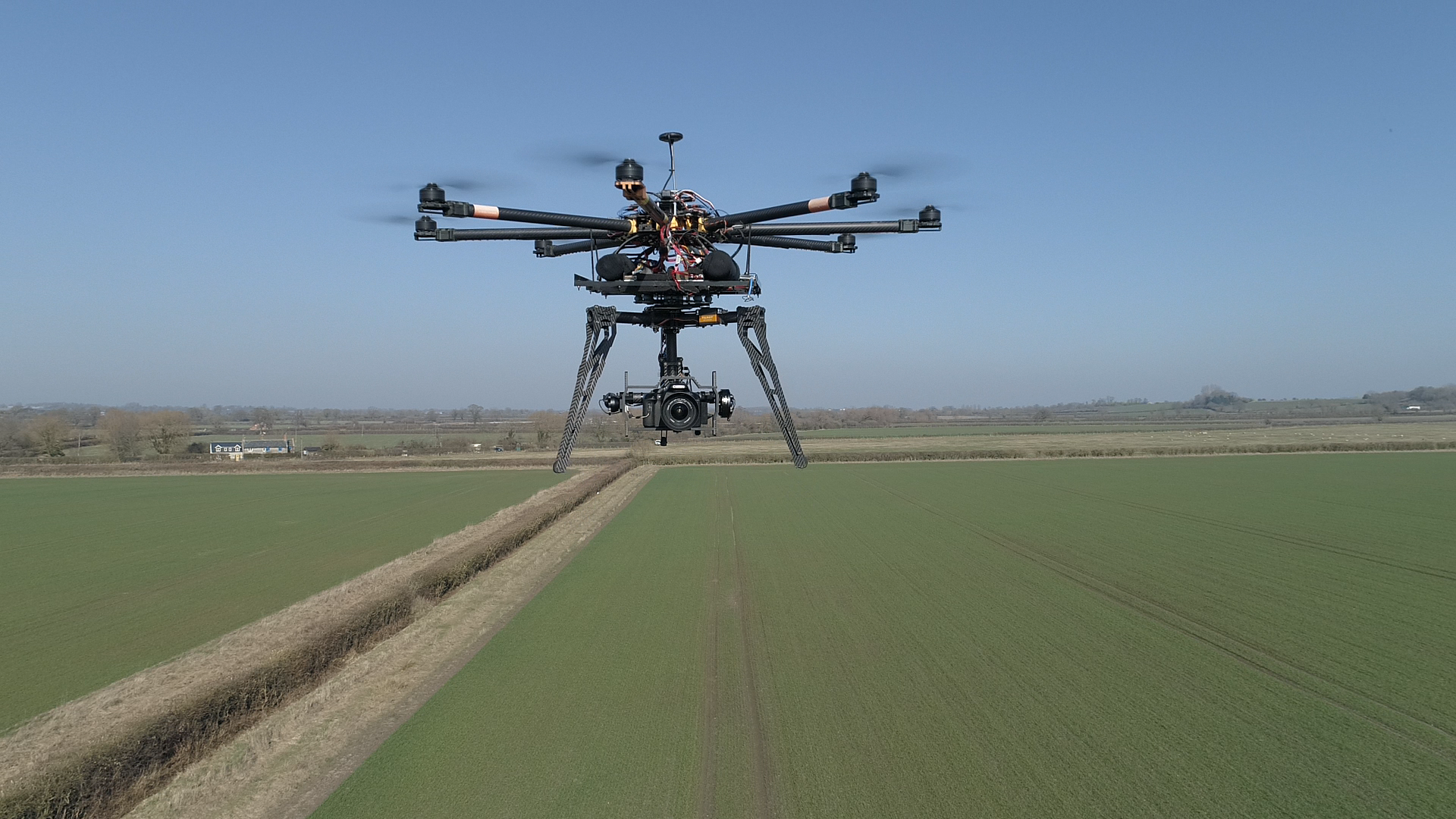
The drone gimbal is driven by brushless motors for camera stabilization. The gimbal can be controlled by a second remote allowing control of the Pan & Tilt via a remote control unit supplied by us as standard, remote aerial filming includes, Pan 360, Tilt, many DP’s enjoy the flexibility to be able to take control of their subjects. You are required to provide your own live feeds from your camera to your ground station for workflow, We can additionally supply a camera operator if you don’t want to take control of the camera gimbal.
4k aerial filming heavy-lift DSLR octocopters
Why an Octocopter Used to Matter
A few years ago, octocopters were the go-to choice for professional cinematography because:
-
They could lift very heavy cameras (RED, ARRI, large lenses).
-
They provided redundancy — if one motor failed, the drone could still land safely.
-
They offered smoother flight due to more propellers.
Today’s Standard Has Changed
Modern quadcopters and hexacopters now cover 90%+ of professional drone-filming needs.
Reasons:
-
High-end cameras are lighter.
A lot of professional productions now use compact cinema cameras (like the RED Komodo, Sony FX3/6, Blackmagic) that do not require an octocopter. -
Quadcopters are far more capable.
Drones such as the DJI Inspire 2-3, Mavic 3 Pro Cine, and FPV rigs deliver cinema-grade results in much smaller packages. -
Regulations favor lighter drones.
In many countries, heavier drones trigger stricter rules, tighter licensing, and more pilot requirements. -
Cost and complication.
Octocopters are expensive, bulky, require dual operators, and need more maintenance—rarely worth it unless you truly need their lifting power.
When an Octocopter Is Still Relevant
You would still consider an octocopter if you need:
-
To fly FULL-SIZE cinema cameras (ARRI Alexa Mini LF, RED V-Raptor with heavy lenses).
-
Maximum motor redundancy for high-risk jobs.
-
Special payloads (LIDAR, heavy gimbals, large battery systems).
These cases are now niche.
Conclusion
For modern drone-filmmaking:
-
Quadcopters = standard for most productions
-
Hexacopters = for slightly heavier payloads
-
Octocopters = only for heavy-lift, specialty cinema work
Unless you are producing top-tier Hollywood-level, heavy-camera aerial cinematography, you do not need to hire a octocopter today.
Our octocopter is reserved for specialized, demanding shoots and offers more limited capabilities compared with modern drone technology built into the drones from DJI. We continue to accept aerial photography and filming projects with this platform, particularly for straightforward lift operations and simple follow scenarios. However, most of our commercial work is carried out using the DJI Inspire system, which provides a more advanced dual-camera setup—ideal for a Director of Photography or a dedicated camera operator.
Brushless gimbals have to be balanced prior to any camera being flown with the filming drone. This procedure will take from 15 minutes to 30 to program into our controller unit, times are dependent on the housing, weight, lenses, etc of the camera. Cinematic production cameras like the red and arri will adapt to the drone camera mount easy. When we have set up your camera we will store your settings in our IMU as so any future work with your setup will be limited to a shorter time. All setups are included in the rental costs. You are required to provide your own live feeds from your camera to your ground station for workflow.
Am I insured for the use of my equipment?
Should you choose to use your own camera and any other media equipment coupled to our aerial filming drone. We can provide insurance for your camera equipment in the unlikely event damage occurs to the full value, or total loss “write off” value assessment provided by the insurance company. You will need to tell us the camera’s make and model then instruct us to make sure the camera and any other equipment that you intend to use on our aerial drone filming platform prior to any work being undertaken. The drone gimbal can cater for the majority of filming cameras and long lenses. Providing it balances on the brushless motorized gimbal upon setup your camera will be stabilized vertically and horizontally and will produce stabilized output footage for your production’s.