aerial filming 4k HD
4k 6K aerial filming Cinema 6k DNG – 5.1K Pro Res
The 4K format was named because it has 4000 pixels horizontal resolution approximately. Meanwhile, standard 1080p and 720p resolutions were named because of their vertical resolution. The new standard renders more than four times higher image definition than 1080p resolutions, such as, With the modern standard being 4K excluding 6K 5k 8k, etc the format has greatly improved the possibility of drone 4k aerial filming footage use, see below.
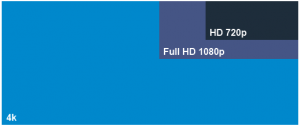
As you can see this format can’t have the change in horizontal resolution, so changes in aspects are made through the vertical resolution. For example, 4096×2304 is a frame size with aspects 16:9 and 4096×3072. View our video gallery for some aerial filming demos
DJI a good manufacturer has taken advantage of this and incorporated this technology into its drones, which we use for mainstream aerial filming & photography production work. Drones we use to undertake commercial filming and photography can be seen by clicking drones & equipment.
The DJI Inspire 2 Zenmuse X7 From 4K to 6K, a compact Super 35 camera with an integrated gimbal made for high-end productions that deliver 6K Cinema DNG with a zenmuse x7 and 5.2K Apple ProRes stunning resolution image quality. Its compatibility with the Inspire 2 offers the best in next-level professional aerial filming. A DJI dual camera operator setup uses two controllers: one for the pilot who flies the drone and another for a separate camera operator who controls the gimbal and camera. This allows for more complex and creative shots
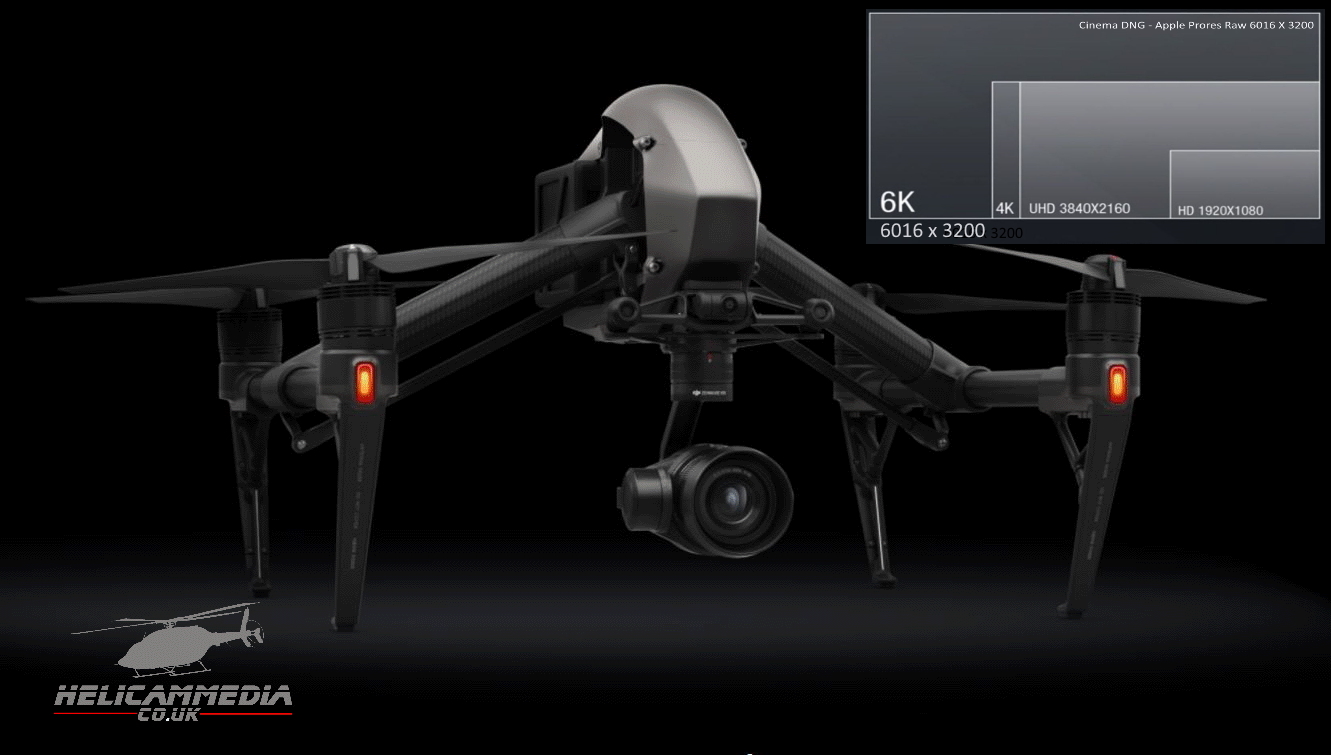
how good is the 4k 6k aerial filming footage
So what can you expect from 4k 5.1k resolution with today’s technology, unlike the past, camera stabilization has moved on and can now be a trusted reliable source in many aspects of the media film industry for production company’s looking to add an aerial filming perspective to their output without compromising quality?. A good example of this can be seen from the workings of a DJI Inspire 2 drone. The advantage of this aerial filming platform is that has the capability to adapt to accommodate many different lenses. Coupled with a dual camera operator setup uses two controllers: one for the pilot who flies the drone and another for a separate camera operator who controls the gimbal and camera. This allows for more complex and creative shots unlike off-the-shelf DJI products we see for aerial filming however good they may be. View our video gallery for some aerial filming videos.
what is the best drone platform for me
If you are looking for 4k 6k aerial filming opening sequences to films, closing credits, mountain ranges, over the sea and scenic landscapes, wildlife, etc. DJI drones like the phantom 4 pro DJI Mavic series etc, can make a very good job of this “media output requirements dependant”. explore more information on the drone. The Phantom 4 Pro has a fixed focal length with a 1 inch sensor which is its drawback like many of the consumer DJI drones available today with the exception of the Mavic 3 Cine & 4 Pro. however, if you set out to frame the shot you need from the beginning, the footage works out well. For an in-depth tech spec on the 4k consumer drones take a look at DJI innovations Phantom 4 pro-1 Inch sensor and example of a 1 inch sensor drone on a budget’ can be seen from a short video below
4k aerial filming heavy-lift DSLR octocopters
Why an Octocopter Used to Matter
A few years ago, octocopters were the go-to choice for professional cinematography because:
-
They could lift very heavy cameras (RED, ARRI, large lenses).
-
They provided redundancy — if one motor failed, the drone could still land safely.
-
They offered smoother flight due to more propellers.
Today’s Standard Has Changed
Modern quadcopters and hexacopters now cover 90%+ of professional drone-filming needs.
Reasons:
-
High-end cameras are lighter.
A lot of professional productions now use compact cinema cameras (like the RED Komodo, Sony FX3/6, Blackmagic) that do not require an octocopter. -
Quadcopters are far more capable.
Drones such as the DJI Inspire 2-3, Mavic 3 Pro Cine, and FPV rigs deliver cinema-grade results in much smaller packages. -
Regulations favor lighter drones.
In many countries, heavier drones trigger stricter rules, tighter licensing, and more pilot requirements. -
Cost and complication.
Octocopters are expensive, bulky, require dual operators, and need more maintenance—rarely worth it unless you truly need their lifting power.
When an Octocopter Is Still Relevant
You would still consider an octocopter if you need:
-
To fly FULL-SIZE cinema cameras (ARRI Alexa Mini LF, RED V-Raptor with heavy lenses).
-
Maximum motor redundancy for high-risk jobs.
-
Special payloads (LIDAR, heavy gimbals, large battery systems).
These cases are now niche.
Conclusion
For modern drone-filmmaking:
-
Quadcopters = standard for most productions
-
Hexacopters = for slightly heavier payloads
-
Octocopters = only for heavy-lift, specialty cinema work
Unless you are producing top-tier Hollywood-level, heavy-camera aerial cinematography, you do not need to hire a octocopter today.
Our octocopter is reserved for specialized, demanding shoots and offers more limited capabilities compared with modern drone technology built into the drones from DJI. We continue to accept aerial photography and filming projects with this platform, particularly for straightforward lift operations and simple follow scenarios. However, most of our commercial work is carried out using the DJI Inspire system, which provides a more advanced dual-camera setup—ideal for a Director of Photography or a dedicated camera operator.
You can view more details about the Octocopter
-
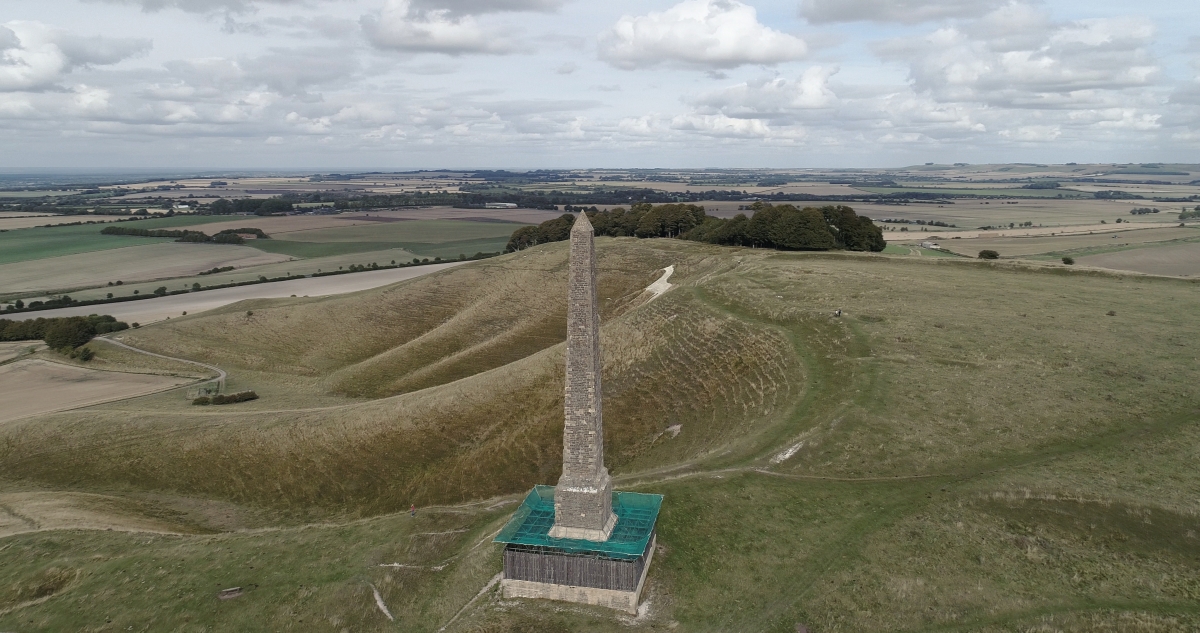 Wiltshire tv film locations Castles monumentsWiltshire tv film locations Castles monumentsThe iron age hill fort Oldbury Castle near Cherhill Wiltshire England UK, along with the great british walking routes. views in all directions with the aerial filming droneVideo
 -
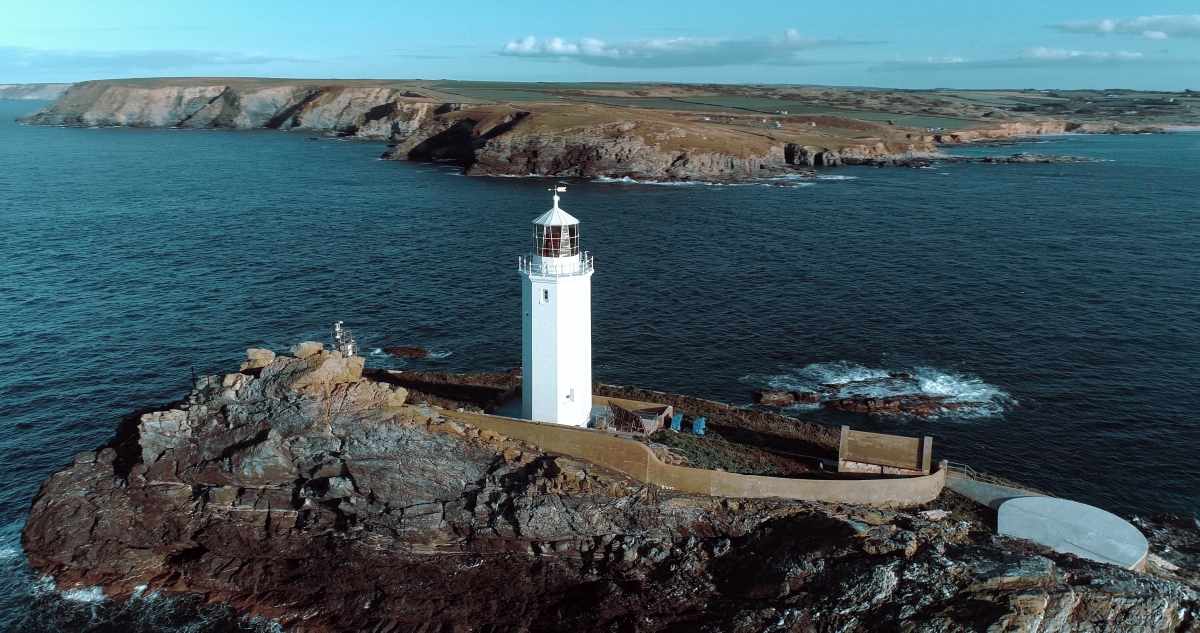 Godrevy point cornwallGodrevy point cornwallCoastal TV filming locations for production Company's. Aerial filming CornwallVideo
 -
 Doctor-Who-ActersDoctor-Who-ActersDoctor who filming in the UK locations and aerial filming for doctor who by a drone production Company.Video
 -
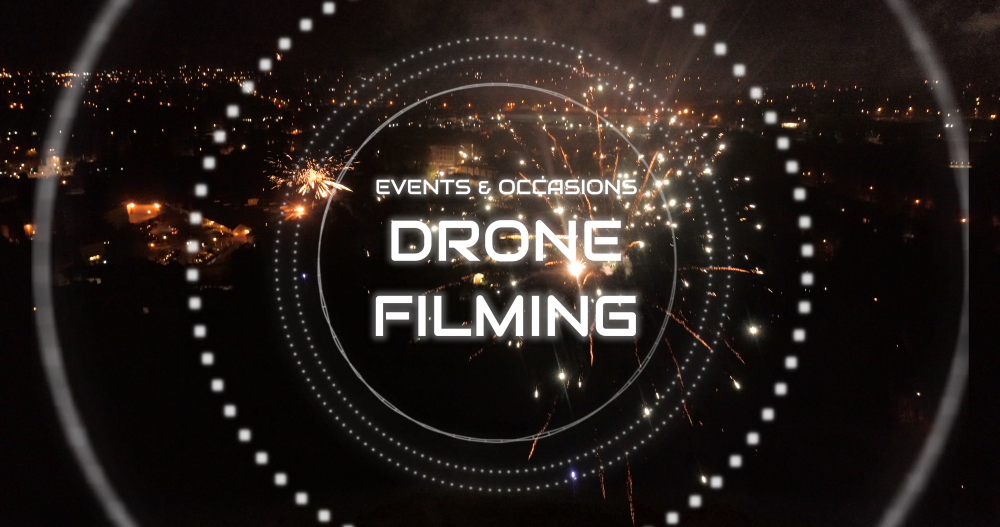 Events weddings corporate aerial filming coverageEvents weddings corporate aerial filming coverageEvents concerts weddings corporate aerial filming coverageVideo
 -
-
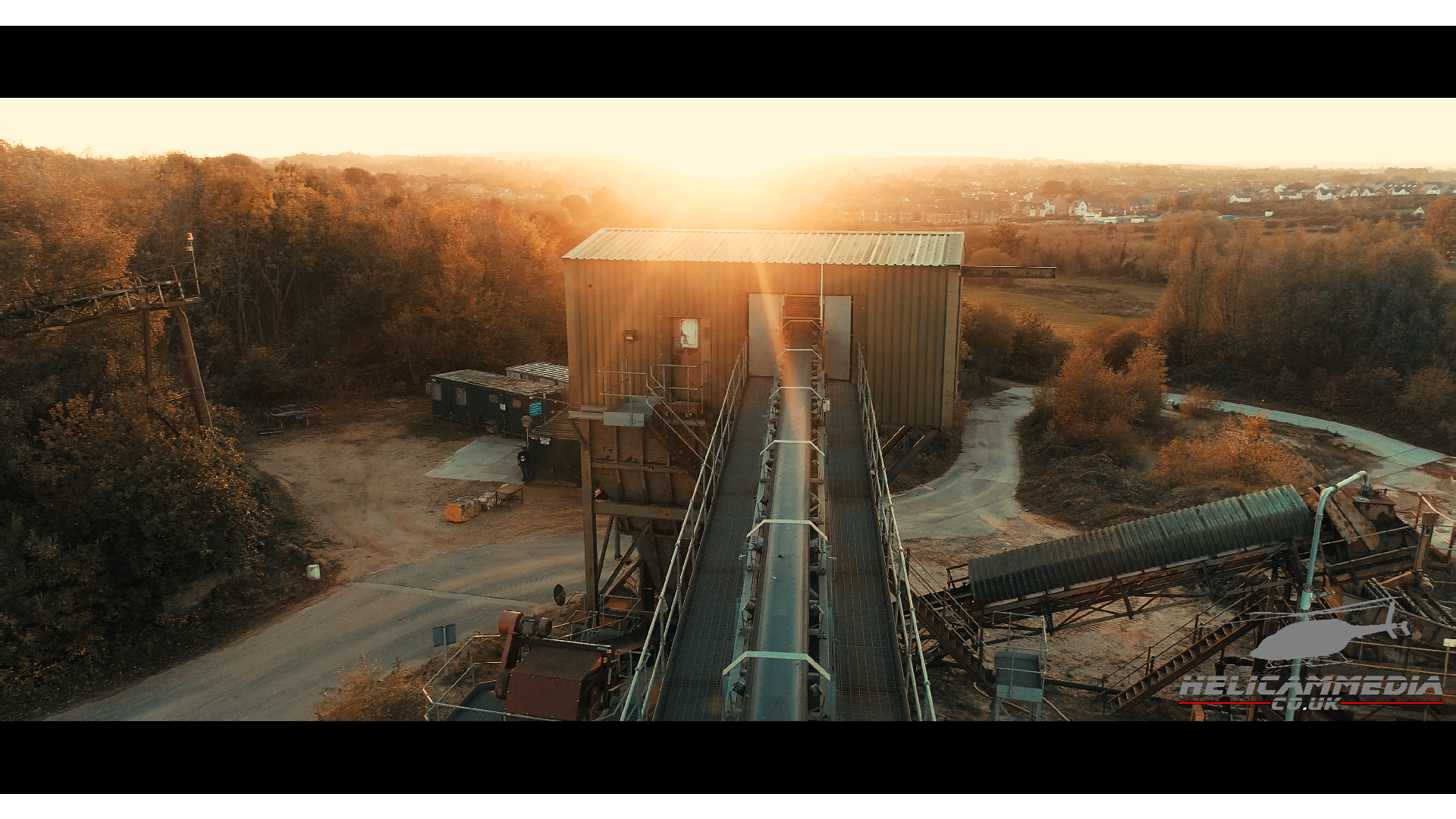 Aerial filming golden hour drone sunsetsAerial filming golden hour drone sunsetsAerial filming golden hour drone sunsetsVideo